Our game ratings, explained
No pay-for-score, no black box. Here's exactly how every regame score is calculated, from first playthrough to final number.
Game ratings only mean something if readers can trust how they were made. That's why regame publishes the exact criteria, weights and scale behind every review — the same system whether it's a AAA blockbuster or a two-person indie project. No publisher, sponsor or ad partner ever sees a score before it goes live, and none of them can change it after.
Gameplay & Mechanics
35%How the game actually feels to play — controls, systems depth, pacing and moment-to-moment fun carry the most weight in every rating.
Story & Writing
20%Narrative structure, characters and dialogue, judged on their own terms rather than against a single preferred genre or style.
Graphics & Audio
15%Art direction, visual polish, sound design and music, evaluated for craft and cohesion rather than raw fidelity alone.
Technical Performance
15%Stability, frame pacing, load times and bugs encountered across the platforms and hardware configurations we actually tested.
Value for Money
15%Content, longevity and monetization weighed against asking price, including any day-one DLC or microtransactions.
What the numbers mean
Every category score rolls up into one overall game rating out of 10. Here's how to read it.
Masterpiece
A genre-defining release with no significant flaws.
Great
Excellent and highly recommended, with only minor issues.
Good
Solid and worth playing, held back by a few rough edges.
Mixed
Real strengths alongside real problems — proceed with care.
Poor
Falls short of a basic recommendation in its current state.
Why hardware testing matters to your score
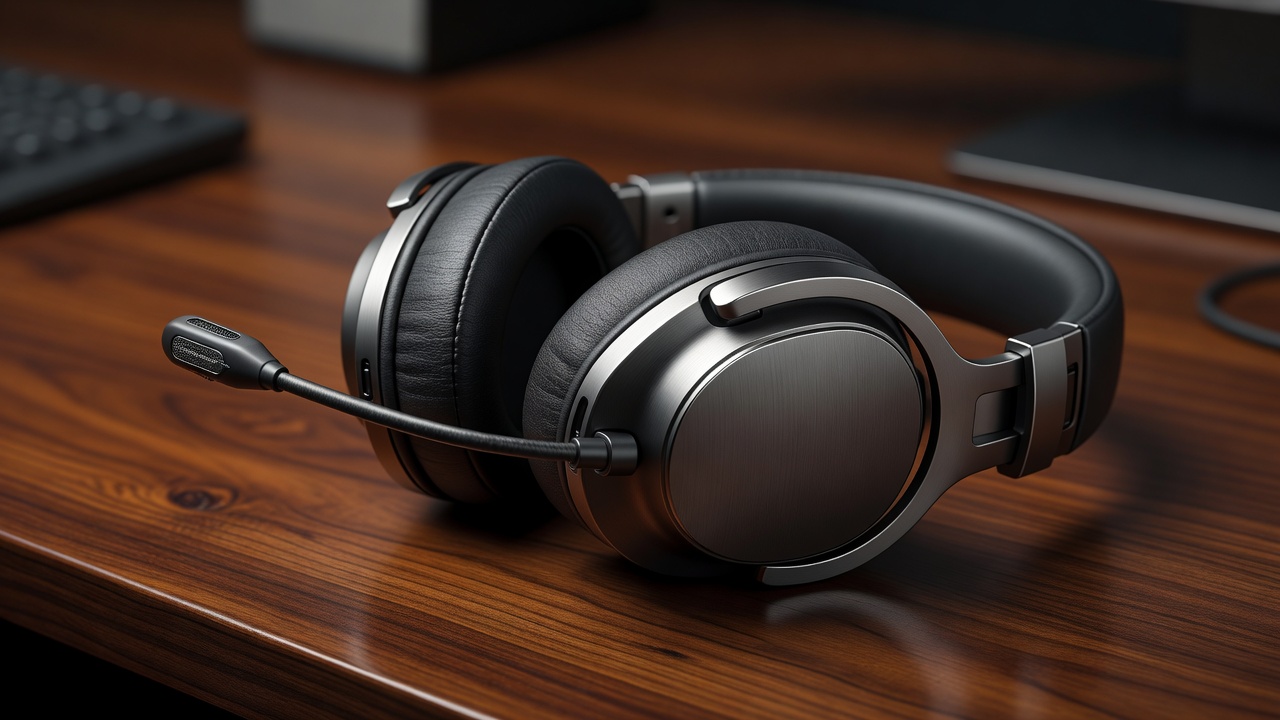
Our Technical Performance category isn't just frame-rate counting. Every headset, controller and monitor we cover is run through the same lab setup used for our video game reviews, so audio clarity, input latency and comfort all factor into the number a game — or a peripheral — ultimately receives.
Read our latest reviewsRatings FAQ
The questions we get most often about how our game ratings actually work.
Do you accept free review copies?
Yes — publishers routinely send early copies so we can review games at launch. Receiving a copy never influences the score; the same criteria and weighting apply whether we bought the game ourselves or were sent it.
Can a rating change after launch?
Yes. If major patches, balance changes or added content meaningfully shift the experience, we re-test and update the score, always noting the patch version and date of the revision.
Do sponsors affect scores?
No. Advertising and sponsorship deals are handled entirely separately from editorial, and no advertiser is shown a score before publication or given any say in it.
Who decides the final score?
The reviewer who played the game proposes category scores against the weighted criteria above; a second editor sanity-checks the writeup before the overall game rating is published.